Tokyo one transfer away: Kuramae, Yanaka and Shimokitazawa
A calmer day of kissaten light, standing soba, vinyl alleys and streets where the skyline softens into neighbourhood scale.
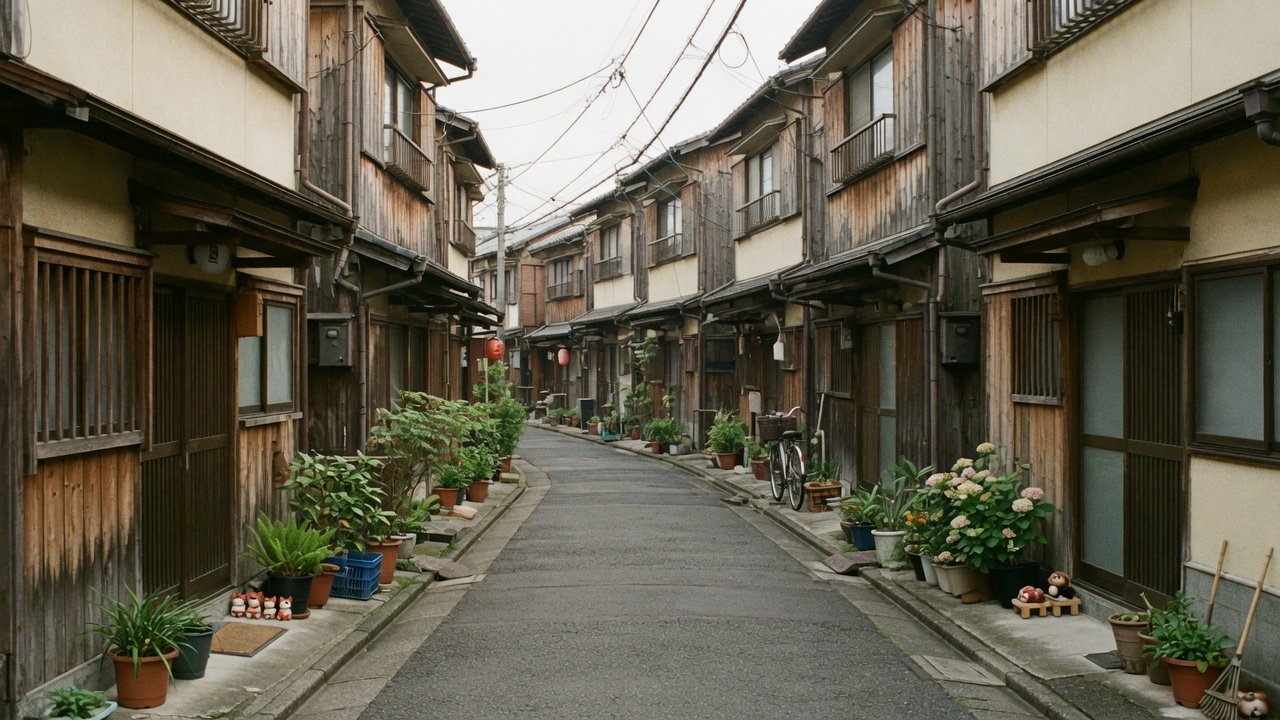
Shibuya Crossing is a spectacle worth five minutes once. The Tokyo that stays with you is quieter: wooden houses in Yanaka, coffee in Kuramae, second-hand racks in Shimokitazawa, a soba counter where nobody speaks English and everything is fine. This day uses a few train transfers and a lot of walking. Get a Pasmo or Suica (or the phone version) on day one.
Morning — Kuramae coffee
Ride to Kuramae on the Oedo or Asakusa line. This low-rise district along the Sumida side is where small roasters clustered without turning into Cat Street. Coffee Wrights, Leaves Coffee Roasters, and a stop at Dandelion Chocolate if you want a drinking chocolate with the same care as filter. Sit if there is a seat; stand at the counter if there is not. Either is correct.
Walk the sumida-adjacent streets toward Asakusa without entering the temple scrum unless you want it — the side grids are full of tool shops, paper goods and quiet residential corners.
Midday — Yanaka’s old Tokyo
Yamanote or subway toward Nippori / Sendagi for Yanaka. Kayaba Coffee in a 1930s wooden corner house is the kissaten mood in one room — sip slowly. The Yanaka Ginza shopping street still has standing-room snacks and shops that close early; go hungry for a croquette or menchi-katsu. Sendagi’s shotengai rewards anyone happy to eat where the plastic food models are faded and honest.
Pick a station nobody put on your list. Walk forty minutes. Tokyo explains itself in side streets.
Afternoon — Shimokitazawa
Train to Shimokitazawa (Odakyu or Keio Inokashira). This is the independent-bookshop-and-vintage district people compare to a younger Shibuya — denser alleys, lower buildings, thrift racks worth an hour. Disk Union branches cover vinyl; random second-hand stores cover everything else. For coffee, Obscura and small second-floor kissaten reward looking up. Stay for dusk if you can; the neighbourhood lights soft.
Evening — listen, eat, wander
Sangenjaya (two stops from Shibuya on the Den-en-toshi line) has low-ceilinged listening bars that appear after dark — follow quiet doorways and the sound of jazz or city pop. Dinner: neighbourhood yakitori, a ramen counter with a queue of office workers, or whatever steam looks best from the street. Fancy reservations are optional; curiosity is not.
Field notes
- Trains: Google Maps is excellent here; follow exit numbers carefully.
- Cash: Still useful for tiny shops and some restaurants; ATMs in 7-Eleven are reliable.
- Etiquette: Quiet phones on trains; queue in orderly lines; say sumimasen often.
- Hours: Many independent shops close earlier than Western cities — start mornings strong.
Take the city with you
The Pin Reef Tokyo volume puts independent cafés, restaurants, record shops and more on a Google My Maps layer — useful when the next neighbourhood is a transfer you have not taken yet. Free utility maps cover ATMs, laundry and pharmacies for the practical half of the trip.